





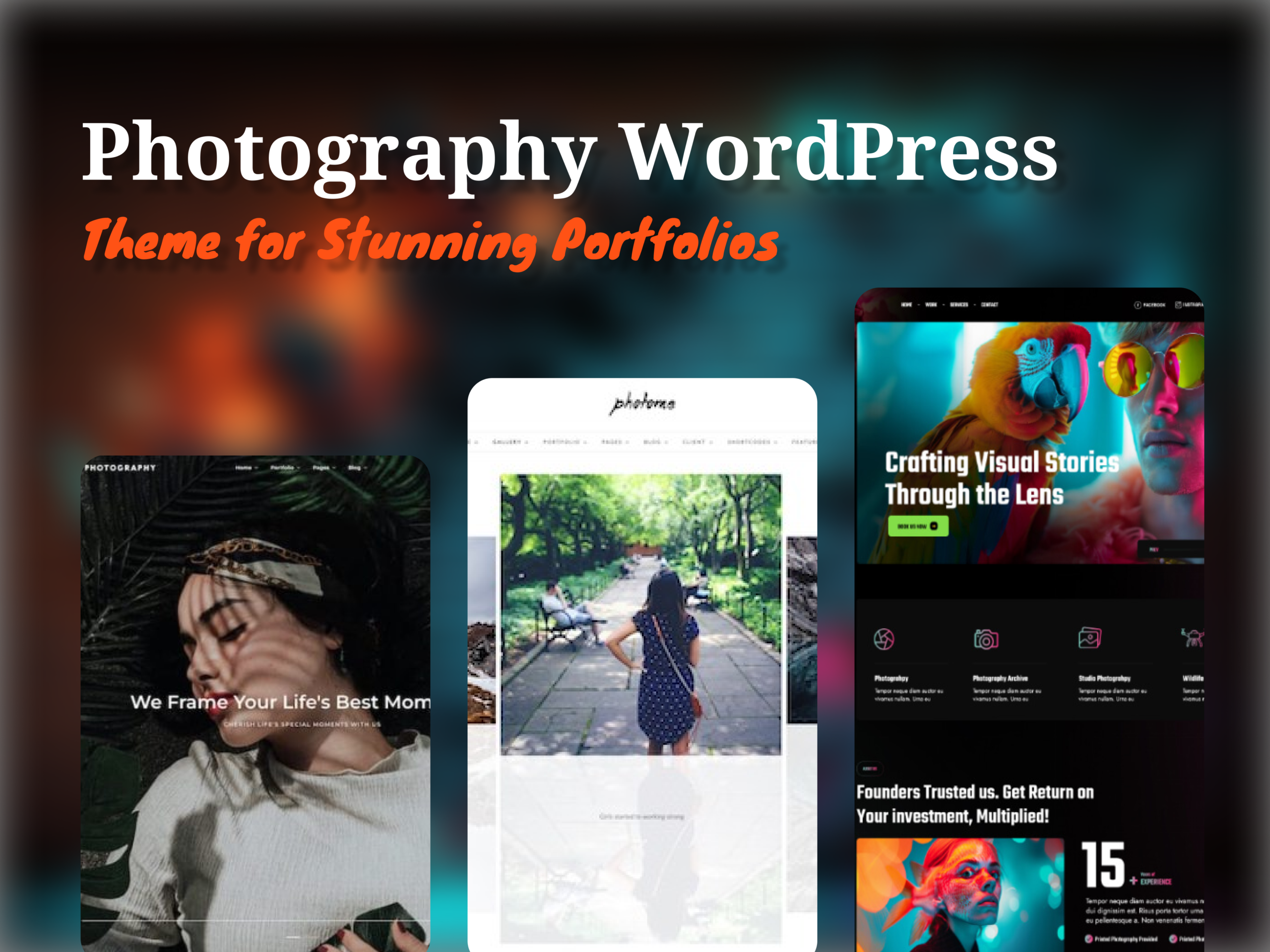
What Is a Photography WordPress Theme and Why Photographers Need One
A photography website is no longer just a digital album. It’s a living portfolio, a branding tool, and lient has of a photographer’s work. In this environment, choosing the right Photography WordPress Theme can quietly determine how your creative identity is perceived online. A theme may seem like a simple design choice at first glance. But when you look closely, a WordPress Photography Theme often dictates layout choices, user experience, loading speed, and even the emotional impact your images have on visitors. This article takes a deeper, more practical look at how a photography WordPress theme works, what features matter, and why certain tools like Photia, Photo Me, and other ThemeForest-based solutions are widely used by photographers today.
Why a Photography WordPress Theme Matters More Than You Think
Photography is about capturing emotion, timing, and perspective. However, when those images are placed on a poorly structured website, much of their impact can be reduced. A well-designed Photography WordPress Theme helps preserve that emotional value. It organizes visuals in a way that guides attention naturally instead of overwhelming the viewer.
For example, a wedding photographer may want visitors to feel a sense of storytelling progression. A structured Photography WordPress Theme can subtly support that journey through grid layouts, full-screen galleries, and smooth transitions. On the other hand, a cluttered or generic theme may unintentionally dilute the emotional strength of the same images. This suggests that design is not just decoration—it is interpretation.
What Exactly Is a Photography WordPress Theme?
A Photography WordPress Theme is a pre-designed website template built specifically for photographers, creative studios, and visual artists. Unlike general business themes, it focuses heavily on image presentation, gallery control, and visual storytelling.
A good Photography WordPress Theme typically includes:
- Portfolio gallery systems
- Image-focused layouts
- Responsive design structure
- Customizable homepage sections
- SEO-friendly architecture
In simpler terms, a WordPress photography theme acts as a bridge between creative work and audience perception.
Real-World Examples of Photography WordPress Theme Solutions
To understand how these themes work in practice, let’s look at a few widely used examples.
Photia Photography WordPress Theme for Portfolio
The Photia Photography Portfolio WordPress Theme is built with a clear philosophy: reduce distractions and let visuals lead the experience. At first glance, it feels minimal. But that minimalism is not empty—it is controlled. Photia appears to be designed for photographers who already have strong visual work and don’t want the website itself to compete for attention.
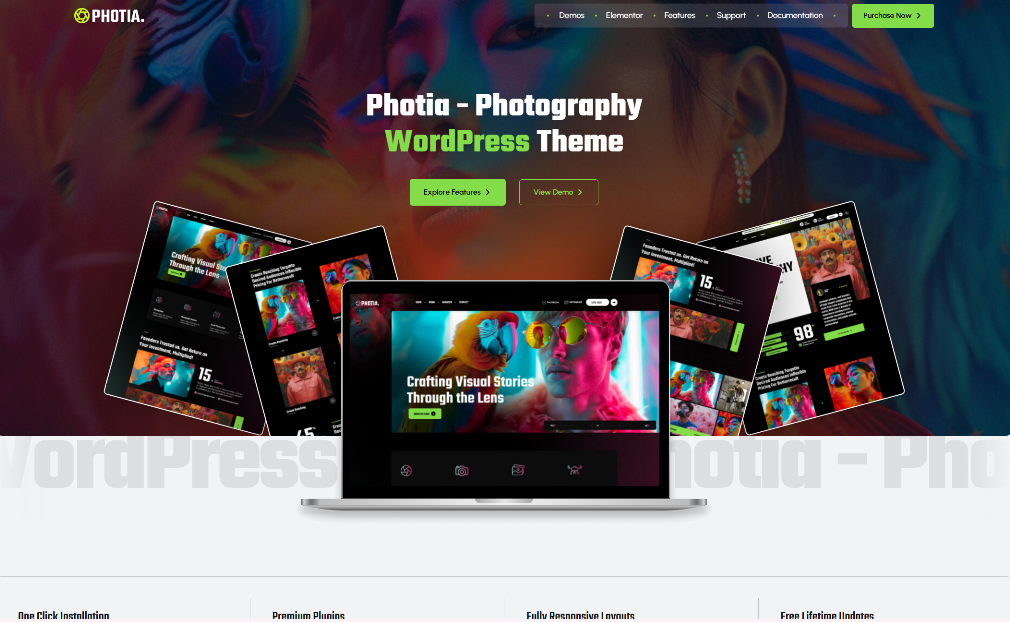
Key strengths of Photia
- Built with Elementor for flexible customization
- Clean portfolio-first layout system
- One-click demo import for quick setup
- Lightweight structure for better performance
- Responsive design across all devices
What stands out about this Elementor photography theme is its restraint. It does not overwhelm users with too many layout options. Instead, it suggests a more focused workflow: upload, arrange, publish. For many photographers, especially those working in wedding, portrait, or lifestyle photography, this kind of simplicity can feel surprisingly efficient. It quietly supports the work rather than reshaping it.
WordPress photography theme (ThemeForest)
The WordPress photography theme takes a slightly different direction. It is more traditional in structure, but also more predictable—and that predictability can be a strength. Unlike more modern experimental themes, this Photography WordPress Theme focuses on stability and clarity. It doesn’t try to reinvent how a portfolio should look. Instead, it refines existing expectations.
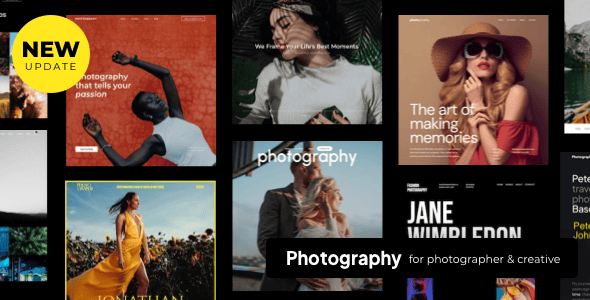
Key strengths
- Clean and structured gallery layouts
- Strong responsive behavior across devices
- Easy navigation for clients and visitors
- Simple customization system
- Professional, business-ready presentation style
This type of photography studio WordPress theme is often preferred by photographers who deal with clients in more formal industries—corporate shoots, events, or commercial photography. There is a certain practicality here. It doesn’t try to be artistic in its interface; it lets the photography carry the artistic weight. That said, it may feel slightly rigid for users who want more expressive design freedom. It is reliable, but not particularly experimental.
Photo Me – Photo Gallery Photography WordPress Theme
The Photo Me Photography WordPress Theme is arguably the most feature-heavy among the three. It behaves less like a simple template and more like a complete creative system. Where Photia focuses on minimalism and the Photography Responsive Theme focuses on structure, Photo Me leans toward flexibility and depth.
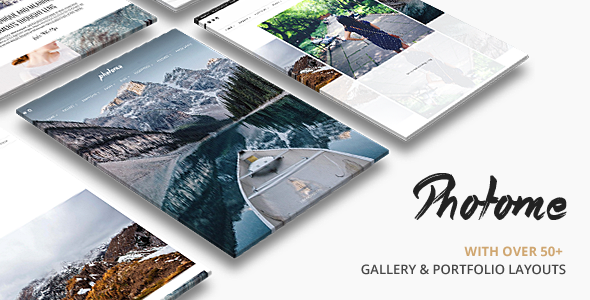
Key strengths
- Multiple gallery and portfolio styles
- Advanced layout customization system
- Split-screen and full-screen presentation options
- WooCommerce integration for selling photos
- Strong support for large media libraries
This photo gallery WordPress theme is often chosen by photographers who are not just showcasing work but also trying to monetize it. For example, stock photographers, fine art photographers, or studios selling prints. The flexibility here is powerful, but it comes with complexity. New users may feel slightly overwhelmed at first. It rewards experimentation but expects patience. In some cases, the sheer number of options can slow down decision-making. That is the trade-off: more control, more responsibility.